Yes. An unsealed, damp crawl space lets moisture, mold spores, and allergens move into the air upstairs. The longer it goes untreated, the worse your indoor air quality gets. Over time, it can also affect your home’s structural integrity.
Crawl space encapsulation seals off that space, removing the moisture source and stopping mold growth before it starts.
From recognizing the early warning signs to understanding exactly how the work gets done, here is your Basements Plus guide for Southeast Michigan homeowner’s to keeping your home and crawl space healthy.
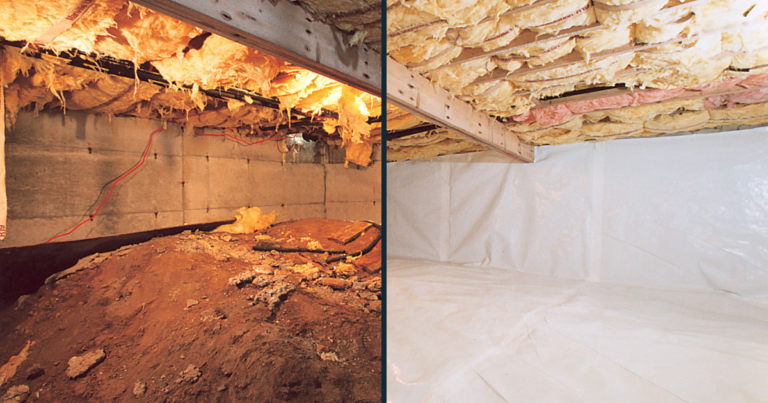
From recognizing the early warning signs to understanding exactly how the work gets done, here is your Basements Plus guide for Southeast Michigan homeowner’s to keeping your home and crawl space healthy.
A crawl space is a type of foundation between the ground and your home’s first floor, usually one to three feet high. Plumbing, electrical, and HVAC lines often run through it. It also raises your home off the ground and gives you access for repairs and maintenance.
To check if your home has one, look for small foundation vents along the exterior or a low access door near the base of the house.
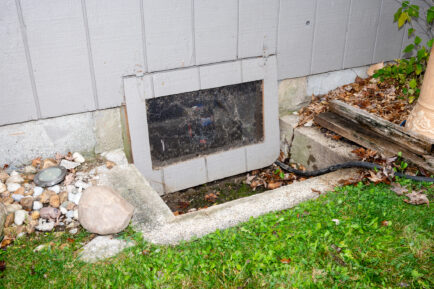
Basements Plus has inspected hundreds of crawl spaces across Southeast Michigan. These are the most common signs of a problem:
Musty smell: A strong odor, especially near floor vents or in closed-off rooms, usually points to moisture or mold below.
Damp or discolored insulation: Wet fiberglass insulation loses its effectiveness and can grow mold. Sagging or discolored insulation means moisture has already reached it.
Cold or uneven floors: Cold, damp air moving through an unsealed crawl space affects the temperature of the rooms above it.
Standing water: Water with nowhere to drain can reach insulation, floor joists, and structural beams.
Pests: Rodents and insects are drawn to damp, dark spaces. Scratching sounds, droppings near baseboards, and gaps in the foundation are signs they’ve gotten in.
Sticking doors and windows: Moisture can cause structural wood to shift over time, making doors and windows harder to open or close.
If any of this sounds like your home, don’t wait!
Inspection and prep: The crawl space is assessed before any materials go in. Mold is remediated if needed, damaged insulation and debris are removed, structural issues are addressed, and pest entry points are sealed.
Wall insulation: SilverGlo insulation is installed along the perimeter walls, and gaps are sealed with zip-foam.
Vents: Exterior vents are sealed. Outside air brings in humidity, so more ventilation means more opportunity for moisture to enter.
Vapor barrier: A heavy-duty liner is installed across the floor and up the walls, overlapping at the seams and taped to create a continuous seal. A drainage mat may be added under the liner if the space has a history of water intrusion.
Dehumidifier installation (recommended): A SaniDry Sedona dehumidifier manages humidity year-round and can remove up to 100 pints of water from the air per day.
Drainage system (if needed): If the crawl space has a history of water entry, a drainage system and sump pump may be added to address the underlying issue.
A drainage mat may be recommended under the vapor barrier if you have a history of water intrusion.
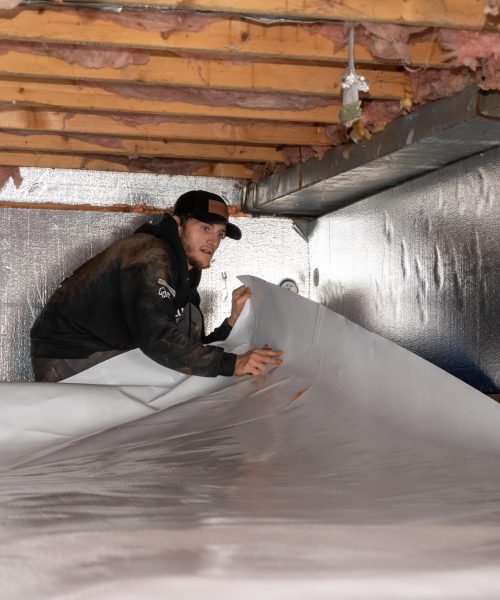
Most crawl space encapsulations take one to two days. Projects that require mold remediation, structural repairs, or a drainage system, will add time to complete. A reliable contractor should be able to give you a clear timeline before work begins.
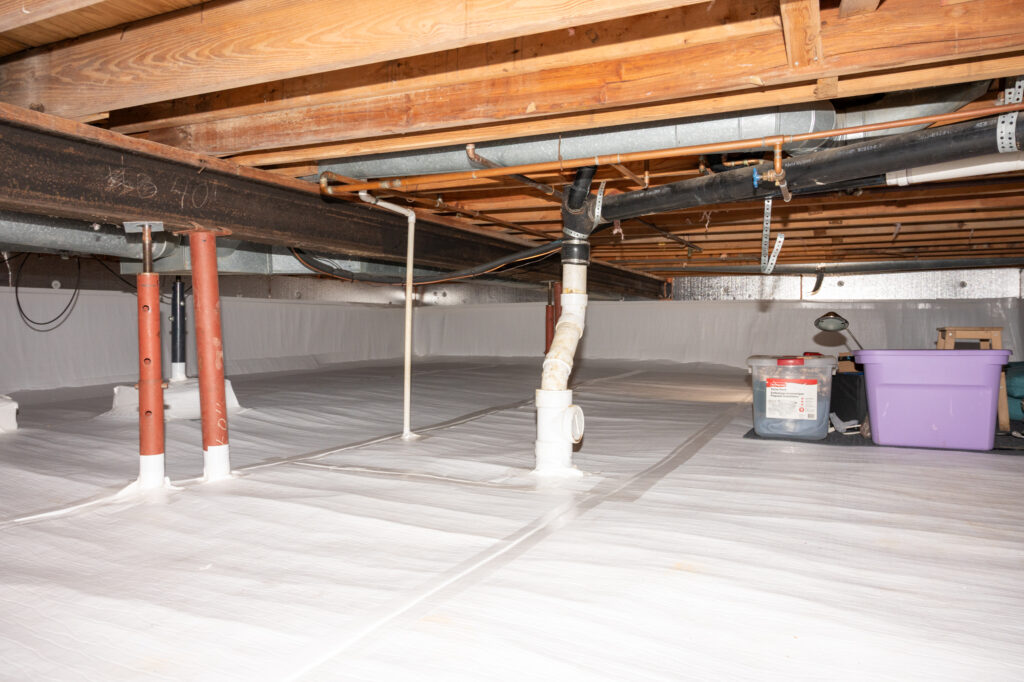
This is what protecting your home can feel like after encapsulating your crawl space. Some changes you’ll notice within days, others build over time:
Basements Plus offers free crawl space inspections for Southeast Michigan homeowners. We’ll show you exactly what we find and walk you through your options. Call 248.609.4847 to schedule.
