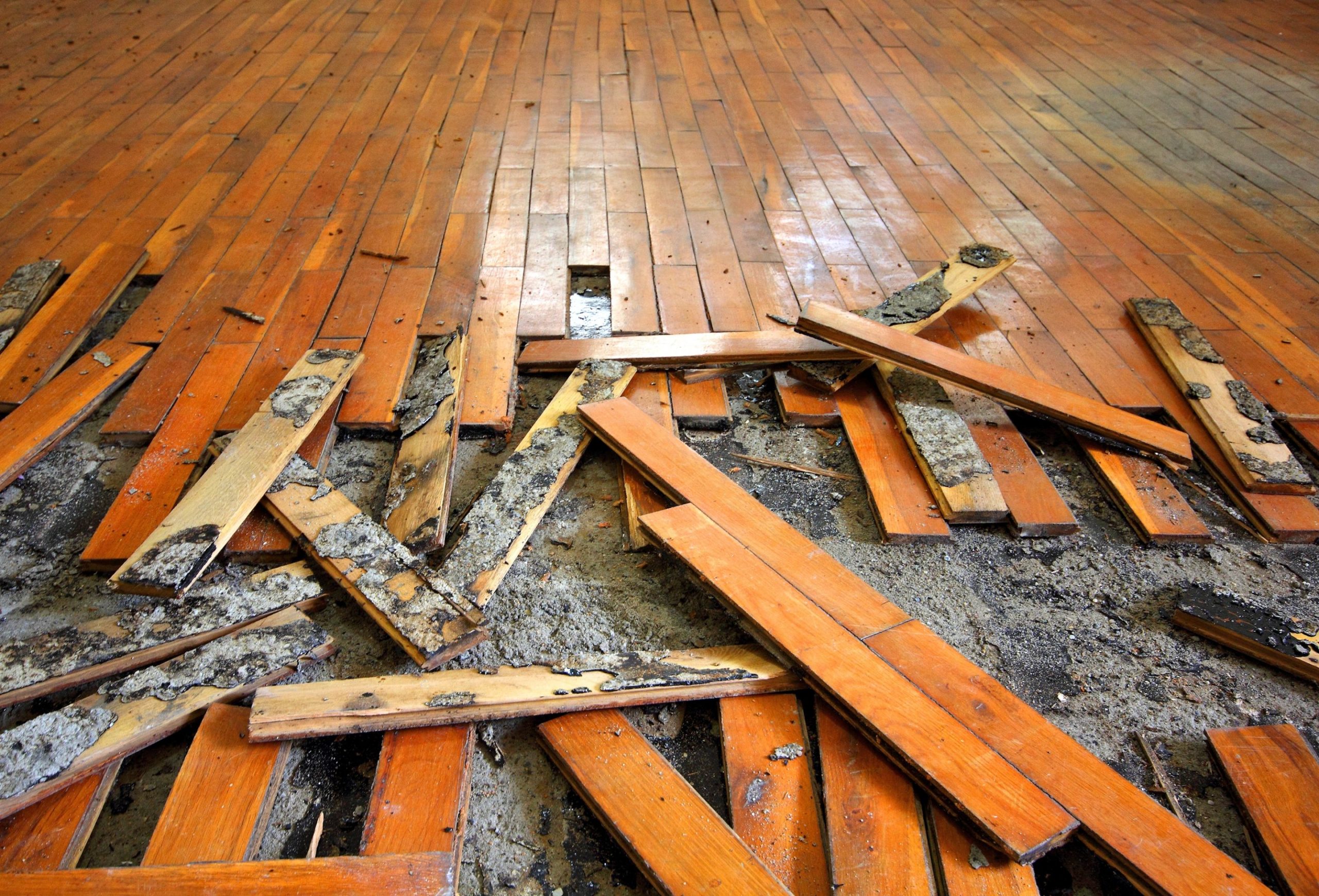
If you’re dealing with a runny nose, itchy eyes, sneezing, scratchy throat, or persistent headaches, your basement might be the culprit.
Poor air circulation, moisture buildup, and hidden allergens like mold and dust mites can turn your basement into a breeding ground for allergy triggers. Fortunately, you don’t have to suffer, there are effective ways to eliminate allergens and improve your basement’s air quality.
If you find yourself experiencing allergy-like symptoms only when you spend time in your basement, it’s a strong sign that mold, dust, or other allergens may be present.
Identifying the source of your basement allergies is the first step toward creating a healthier home environment. Two of the biggest basement allergens are mold and asbestos—and while one is preventable, the other needs careful attention.
Mold thrives in damp, humid environments, making basements prime for mold growth. It can develop on carpets, drywall, furniture, and painted surfaces. Mold exposure can cause:
If your home was built before the 1980s, it’s possible that asbestos was used in basement tiles, walls, or ceilings. While asbestos isn’t harmful unless disturbed, exposure to airborne asbestos fibers can lead to:
The good news? You don’t have to live with basement allergens. Whether your basement is finished or unfinished, taking proactive steps can dramatically improve air quality, reduce allergens, and create a healthier home.
Basement allergens aren’t just an inconvenience—they can seriously impact your health. By improving ventilation, eliminating mold, and waterproofing your basement, you can turn your lower level into a safe, comfortable living space for the entire family.
Ready to breathe easier? Contact Basements Plus today for a free consultation and take the first step toward an allergen-free basement.
